
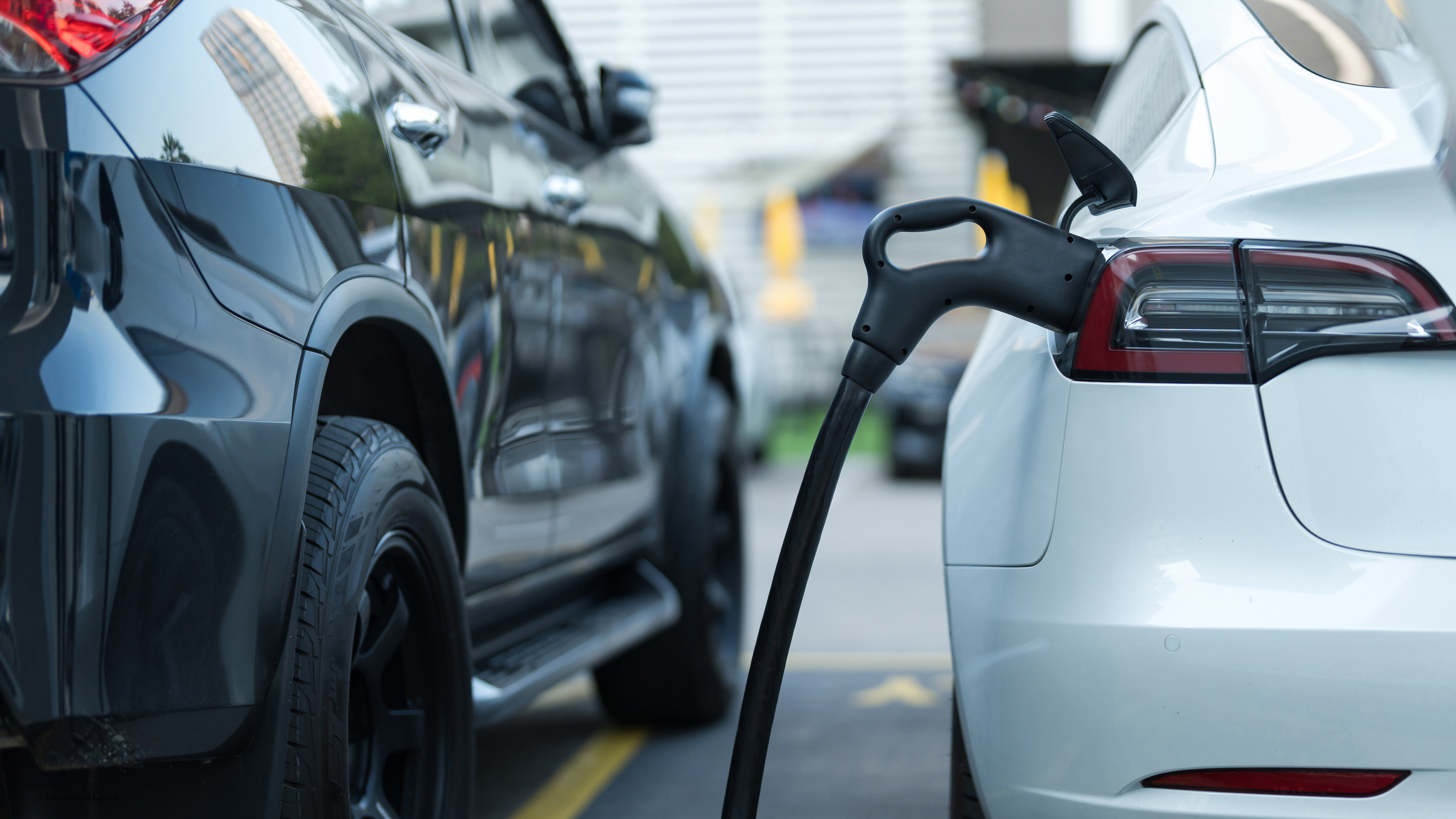

In recent years, electric cars have transcended their niche status to become a mainstream automotive choice. With advancements in technology, shifting consumer preferences, and global initiatives to combat climate change, electric vehicles (EVs) are at the forefront of the automotive industry’s evolution. This article explores the latest trends shaping the electric car landscape, highlighting key innovations and developments driving this transformative shift.
Enhanced Battery Technology
Central to the success of electric vehicles is battery technology. Advances in battery capacity, efficiency, and charging speeds have significantly extended the driving range and usability of EVs. Manufacturers are investing heavily in next-generation batteries such as solid-state batteries, which promise higher energy densities and faster charging times. These advancements are crucial in addressing range anxiety—the fear of running out of battery power mid-journey—which has been a primary concern for potential EV buyers.
Rapid Expansion of Charging Infrastructure
One of the critical barriers to widespread EV adoption has been the availability of charging stations. However, recent years have seen a rapid expansion of charging infrastructure globally. Governments, businesses, and energy companies are collaborating to install fast-charging stations along highways, in urban areas, and at workplaces. Moreover, innovations in wireless charging technology and the development of home-charging solutions are making EV ownership more convenient and accessible than ever before.
Diverse Range of Models and Segments
Electric cars are no longer confined to small hatchbacks or sedans. Automakers are now offering electric SUVs, crossovers, trucks, and even performance vehicles. This diversification is crucial in appealing to different consumer preferences and lifestyles. Whether you’re looking for a family-friendly SUV or a sporty electric sedan, there’s likely an EV model that fits your needs.
Integration of Artificial Intelligence and Connectivity
Modern electric vehicles are increasingly becoming connected devices on wheels. AI-powered systems enhance driving dynamics, optimize energy consumption, and provide advanced driver-assistance features such as autonomous driving capabilities. Furthermore, seamless integration with smartphones and other smart devices enables users to monitor and control their EVs remotely, check battery status, and plan routes efficiently.
Environmental Sustainability
One of the primary drivers behind the shift towards electric vehicles is their environmental benefits. EVs produce zero tailpipe emissions, significantly reducing air pollution in urban areas and combating climate change. Moreover, as the electricity grid shifts towards renewable energy sources such as wind and solar power, the overall carbon footprint of electric vehicles continues to decrease, making them a more sustainable transportation option compared to traditional internal combustion engine vehicles.
Cost-Competitiveness and Incentives
While the initial purchase price of electric cars may be higher than that of conventional vehicles, the total cost of ownership over the vehicle’s lifetime often proves to be lower. Lower maintenance costs (due to fewer moving parts) and savings on fuel expenses contribute to making EVs cost-competitive in the long run. Additionally, many governments offer incentives such as tax credits, rebates, and subsidies to encourage consumers to switch to electric vehicles, further narrowing the price gap.
Collaboration Between Automakers and Tech Giants
The convergence of automotive and technology industries is accelerating the pace of innovation in electric vehicles. Partnerships between traditional automakers and tech giants are becoming commonplace, fostering collaborations in areas such as autonomous driving technology, infotainment systems, and vehicle-to-grid integration. These partnerships are essential in pushing the boundaries of what electric vehicles can achieve in terms of performance, safety, and user experience.
Consumer Awareness and Education
As electric vehicles become more prevalent, efforts to educate consumers about their benefits and dispel myths are gaining momentum. Manufacturers, environmental organizations, and government agencies are actively promoting the advantages of EVs through public awareness campaigns, test drive events, and educational programs. Increased consumer knowledge and positive word-of-mouth are crucial in accelerating the adoption of electric vehicles across diverse demographic groups.
Global Policy and Regulation
Government policies and regulations play a pivotal role in shaping the electric vehicle market. Many countries have set ambitious targets to phase out internal combustion engine vehicles and promote electric vehicle adoption. These policies include stricter emissions standards, incentives for EV purchases, investment in charging infrastructure, and support for research and development in electric vehicle technology. Such initiatives create a favorable environment for automakers to invest in electric vehicle production and innovation.
The Future Outlook
Looking ahead, the future of electric cars appears promising. Continued advancements in technology, coupled with supportive government policies and growing consumer acceptance, are expected to drive further growth in the electric vehicle market. As battery costs decline and driving ranges increase, electric vehicles are likely to become even more accessible and desirable to a broader audience.
In conclusion, electric cars are not just a trend but a transformative force reshaping the automotive industry. With innovations in battery technology, charging infrastructure, connectivity, and consumer awareness, electric vehicles are poised to lead the way toward a cleaner, more sustainable future of transportation. Whether you’re a tech enthusiast, an environmentally conscious consumer, or simply looking for a reliable and efficient vehicle, the expanding range of electric cars offers something for everyone.
