
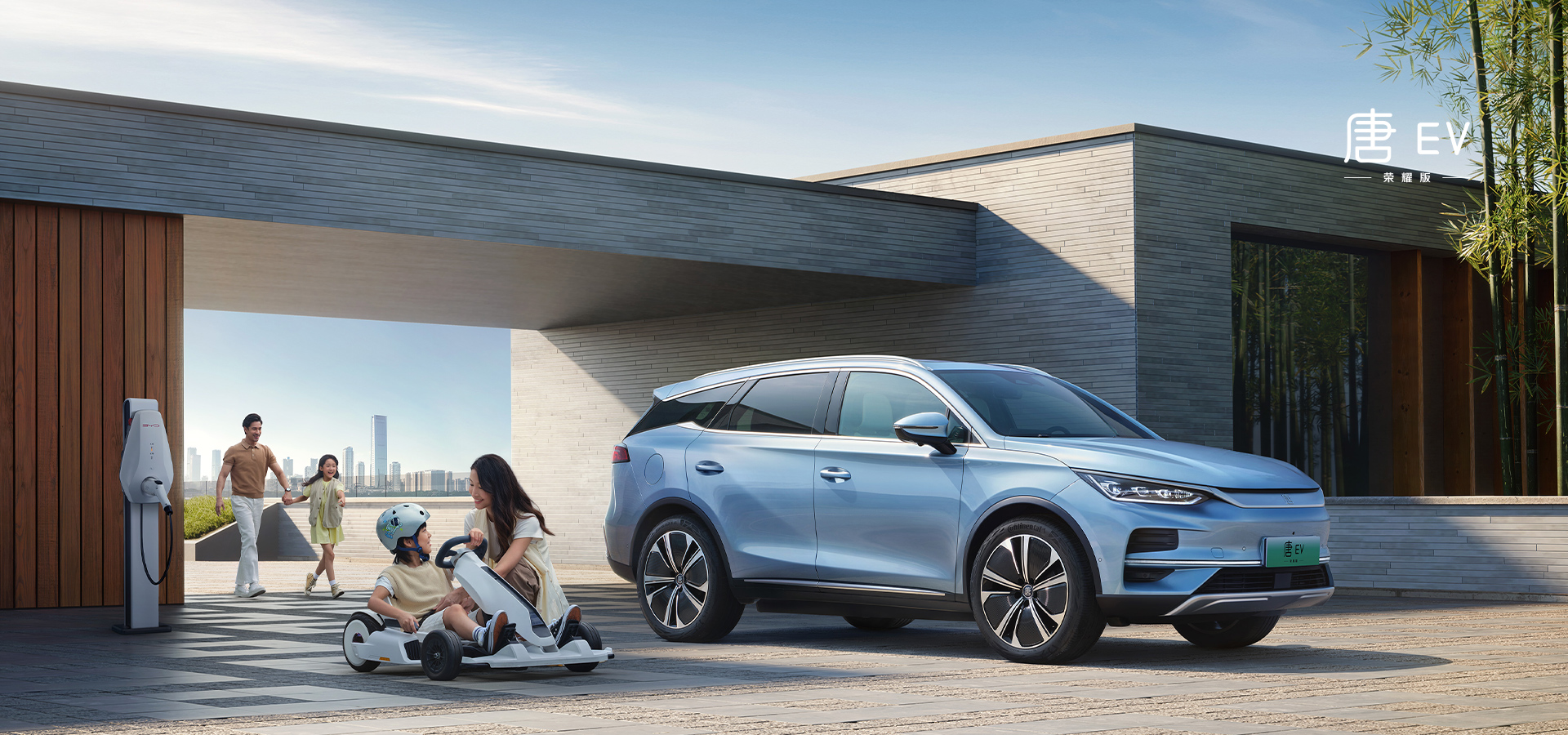

In recent years, the automotive industry has witnessed a significant rise in the prominence of Chinese car manufacturers. Once known primarily for their affordability, Chinese cars are now making strides in quality, technology, and global market presence. However, the question remains: Is it a good idea to buy a Chinese car? This article delves into various aspects—quality, safety, technological advancements, market acceptance, economic considerations, environmental impact, and prospects—to provide a comprehensive answer.
Quality and Reliability
Chinese car manufacturers have made substantial investments in improving the quality and reliability of their vehicles. Brands like Geely, BYD, and Great Wall Motors have focused on enhancing manufacturing processes and leveraging advanced technology to compete with established global players. While early perceptions of Chinese cars centered around concerns over build quality, recent models have shown marked improvements, offering competitive features and specifications at lower price points.
Safety Standards
Safety has been a critical area of focus for Chinese car manufacturers aiming to gain acceptance in global markets. Initially criticized for lagging in safety standards, many Chinese brands have responded by achieving higher safety ratings in crash tests and incorporating advanced safety features such as adaptive cruise control, lane-keeping assist, and autonomous emergency braking. Despite these advancements, occasional recalls and scrutiny continue to shape consumer perceptions.
Technological Advancements
The rapid advancement of technology in Chinese cars is reshaping the industry landscape. Chinese manufacturers have been at the forefront of electric vehicle (EV) development, with companies like NIO and Xpeng gaining attention for their innovative EV designs and battery technologies. Additionally, partnerships with tech giants like Huawei and Baidu have accelerated the integration of artificial intelligence and connectivity solutions into vehicles, enhancing the driving experience and attracting tech-savvy consumers globally.
Market Acceptance and Consumer Perception
Gaining market acceptance outside China has been a gradual process for Chinese car brands. While domestic sales have been robust, international markets have shown varying degrees of receptivity. Factors influencing consumer perception include brand reputation, perceived value for money, and after-sales service quality. Surveys indicate mixed opinions among consumers, with some citing positive ownership experiences and others expressing reservations based on brand familiarity and historical perceptions.
Economic Considerations
One of the primary attractions of Chinese cars remains their affordability. Lower manufacturing costs and competitive pricing strategies allow Chinese brands to offer feature-packed vehicles at lower price points compared to their counterparts from Europe, Japan, and the United States. However, potential buyers should also consider long-term costs such as maintenance expenses and resale value, which can vary depending on brand reputation and market conditions.
Environmental Impact
Amid global concerns about climate change, Chinese car manufacturers are increasingly focusing on environmental sustainability. The shift towards electric vehicles has been a significant trend, with Chinese EVs gaining traction for their range, performance, and affordability. Government incentives and policies supporting clean energy initiatives further bolster the appeal of Chinese EVs, positioning them as viable alternatives in the global push towards greener transportation solutions.
Global Expansion and Future Prospects
Looking ahead, Chinese car manufacturers are poised for continued global expansion. Strategic investments in research and development, along with partnerships with international firms, are expected to drive innovation and enhance competitiveness. Challenges such as regulatory compliance, geopolitical tensions, and evolving consumer preferences will shape the industry’s trajectory. Nevertheless, the outlook remains optimistic, with Chinese brands increasingly recognized for their ability to disrupt traditional automotive paradigms and deliver value-driven products.
In conclusion, whether buying a Chinese car is a good idea depends on individual priorities and considerations. The automotive landscape is evolving rapidly, with Chinese manufacturers making significant strides in quality, safety, technology, and sustainability. While initial concerns over reliability and brand perception persist, the competitive pricing and technological advancements offered by Chinese cars present compelling options for budget-conscious consumers and early adopters of electric vehicles alike.
As the global automotive industry continues to evolve, Chinese car manufacturers are set to play a pivotal role in shaping its future. Whether you’re considering a Chinese car for its affordability, technological innovation, or environmental credentials, conducting thorough research and evaluating your specific needs are crucial steps toward making an informed purchasing decision.
By considering all these factors, potential buyers can navigate the evolving landscape of Chinese car brands and determine whether they align with their preferences and expectations.
